Picking a stack for a new product feels like a big, irreversible decision. In practice, most MVPs fail for reasons that have nothing to do with the framework — they fail because they ship too late or solve the wrong problem.
Start from constraints, not trends
Before comparing frameworks, write down the constraints that actually matter:
- Who will maintain this in a year? Hiring for a mainstream stack is easier and cheaper.
- What must be real-time? Chat, live dashboards and collaboration change your backend choices.
- Where does the data live? Relational data with clear relationships almost always belongs in PostgreSQL or MySQL.
- What are the compliance needs? Health, finance and education data bring hosting and audit requirements.
Boring is a feature
A "boring" stack — a mature web framework, a relational database, a managed host — lets you spend your energy on the product. We reach for newer tools only when they remove a real constraint.
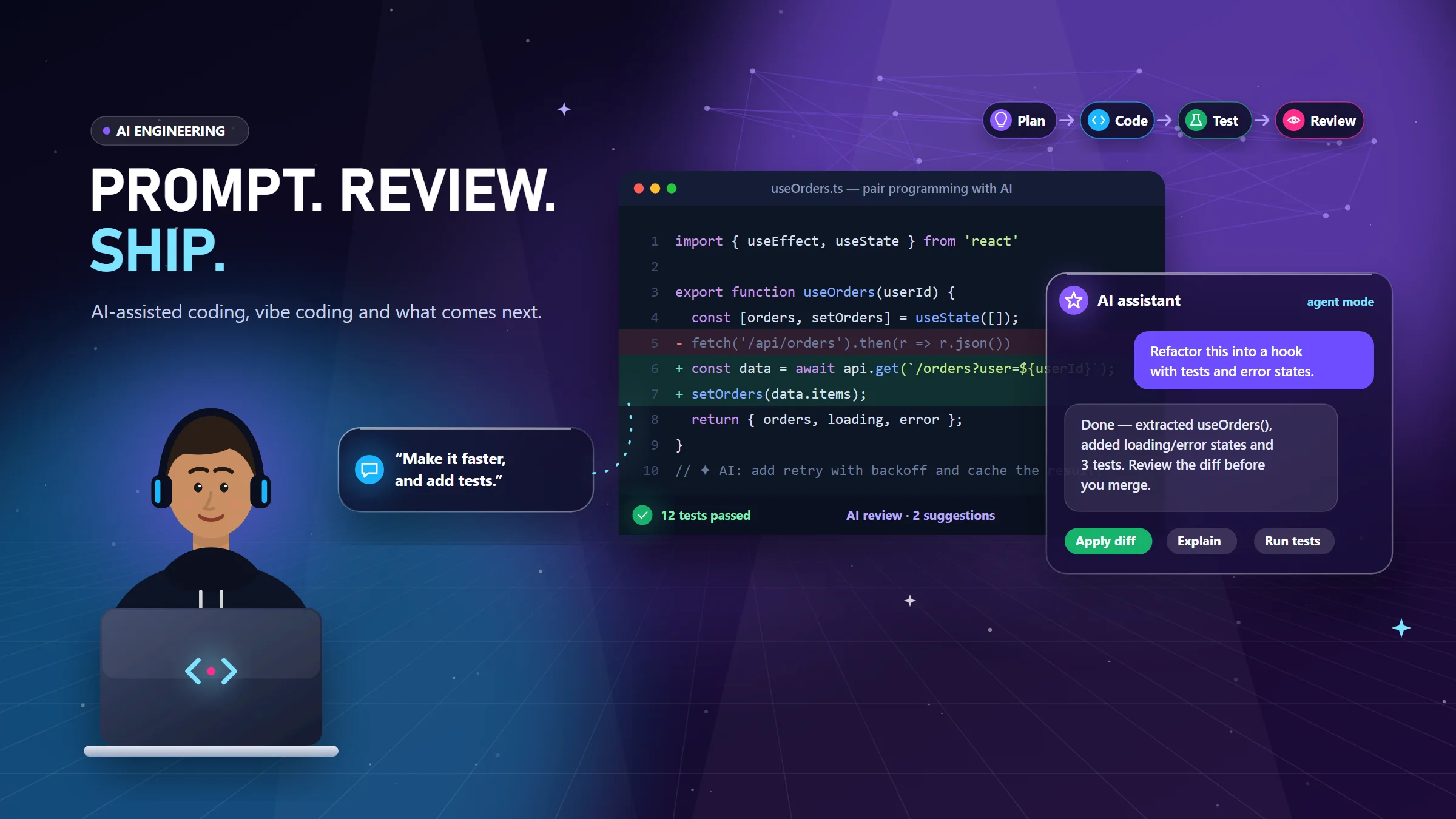
// A thin, typed API boundary keeps the frontend swappable later
export async function getOrders(page = 1): Promise<Order[]> {
  const res = await fetch(`/api/orders?page=${page}`);
  if (!res.ok) throw new Error('Failed to load orders');
  return res.json();
}
Keep the seams clean
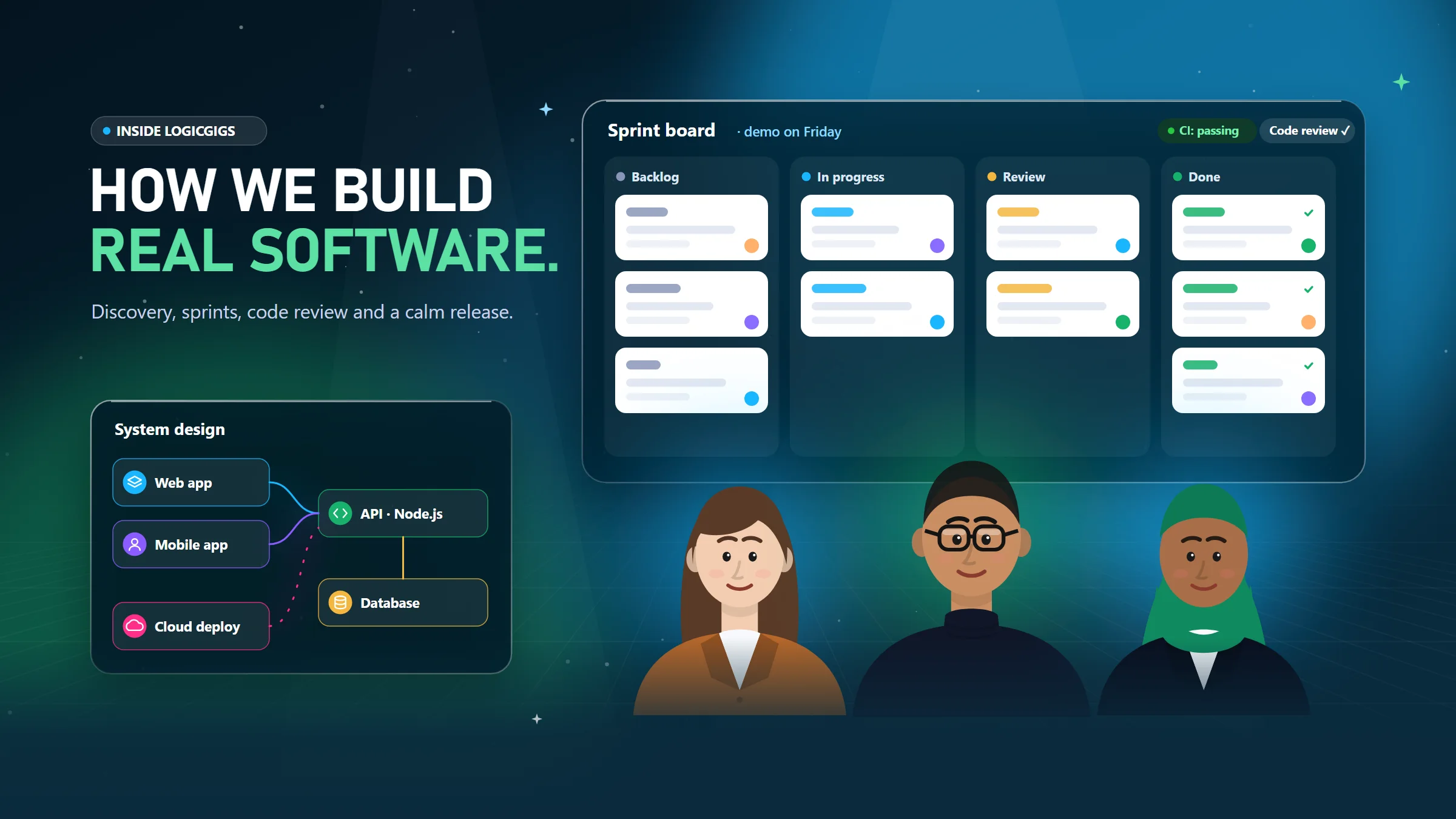
You do not need microservices on day one. You do need clear boundaries: a documented API, a single source of truth for data, and business rules that do not live in the UI. Clean seams are what make a later rewrite of one part cheap.
Our default checklist
- One repository, one deploy command, one staging environment.
- Automated tests for money, permissions and data integrity.
- Error tracking and uptime monitoring before launch.
- A written decision log so future developers know why.
Choose the stack that lets you learn from real users fastest — then invest in the parts that prove themselves.